
Sources: news.google.com, www.bing.com
The landscape of motor insurance has undergone significant changes in 2025, driven by the rise of electric vehicles (EVs), innovative add-ons, and pay-as-you-drive (PAYD) options. Understanding these developments is crucial for policyholders and insurers alike, as they reshape the way motor insurance is perceived and utilized.
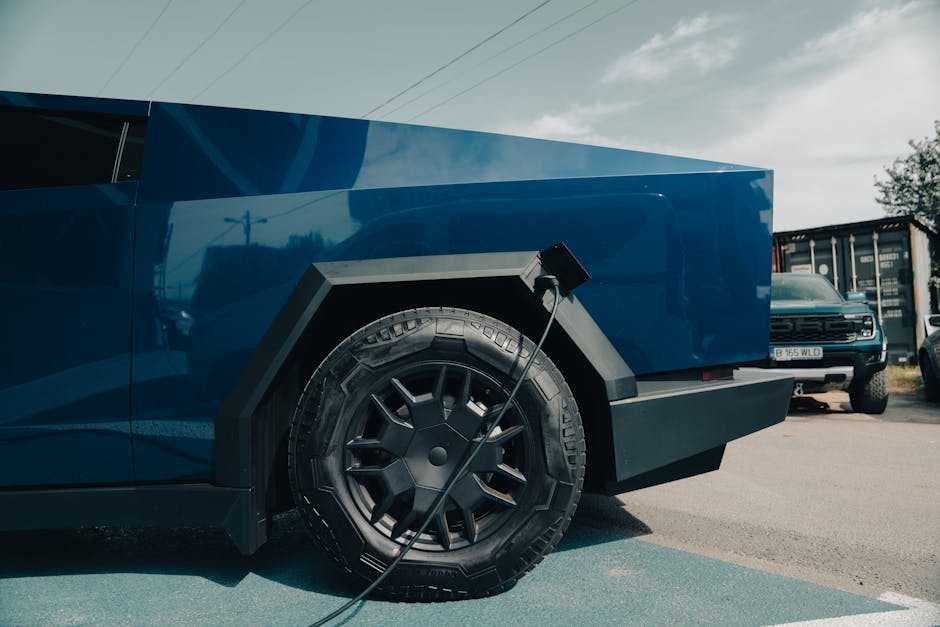
As the adoption of electric vehicles accelerates, the insurance industry has adapted to meet the unique needs associated with these vehicles. This evolution is not merely a trend but a fundamental shift in how risks are assessed and premiums are calculated.
Impact of Electric Vehicles on Motor Insurance
Electric vehicles present distinct characteristics that influence motor insurance policies. Unlike traditional combustion engine vehicles, EVs often have lower maintenance costs and higher initial purchase prices. This discrepancy affects how insurers evaluate risk and determine premiums.
Insurers have begun to recognize that EVs are generally associated with lower accident rates due to advanced safety features and autonomous driving capabilities. Consequently, many insurance companies are offering reduced premiums for EV owners. This shift not only incentivizes consumers to purchase electric vehicles but also aligns with broader environmental goals.
Moreover, the battery technology in EVs introduces new considerations for insurers. The cost of battery replacement can be significant, prompting insurers to offer specialized coverage options that address this risk. As a result, policyholders can choose from a range of add-ons that specifically cover battery-related incidents, enhancing their overall protection.
Innovative Add-ons Enhancing Coverage
In 2025, the introduction of innovative add-ons has transformed the motor insurance landscape. Insurers are now providing tailored options that allow policyholders to customize their coverage based on individual needs. Some notable add-ons include:
- Battery Protection: Coverage specifically for battery damage or theft.
- Roadside Assistance: Enhanced services for EVs, including charging support.
- Usage-Based Insurance: Policies that adjust premiums based on actual driving behavior.
These add-ons not only provide peace of mind but also reflect the evolving nature of consumer expectations. Policyholders are increasingly seeking flexibility and control over their insurance coverage, prompting insurers to innovate continuously.
Pay-As-You-Drive (PAYD) Insurance Model
The PAYD insurance model has gained traction in 2025, particularly among urban drivers. This model allows policyholders to pay premiums based on the actual distance driven, making it a cost-effective option for those who drive less frequently. The integration of telematics technology enables insurers to monitor driving habits and adjust premiums accordingly.

For EV owners, this model is particularly appealing. Many EV drivers tend to have lower mileage compared to traditional vehicle owners, which means they can benefit from reduced premiums under the PAYD structure. This not only encourages the adoption of electric vehicles but also promotes safer driving practices.
However, potential pitfalls exist with the PAYD model. Policyholders must be aware of how their data is collected and used. Transparency in data handling is crucial to maintain trust between insurers and consumers. Additionally, drivers should understand the terms of their PAYD policies to avoid unexpected charges.

Steps for Policyholders to Consider
As motor insurance continues to evolve, policyholders should consider the following steps to ensure they are adequately covered:
- Evaluate Coverage Needs: Assess whether your current policy meets your needs, especially if you own an EV.
- Explore Add-ons: Investigate available add-ons that may enhance your coverage.
- Understand PAYD Options: If considering PAYD, ensure you understand how premiums are calculated and what data is collected.
- Stay Informed: Keep up with changes in insurance regulations and offerings related to EVs and PAYD.
By taking these proactive steps, policyholders can navigate the evolving landscape of motor insurance more effectively.
Future Outlook for Motor Insurance
The future of motor insurance appears promising, with ongoing innovations expected to further enhance coverage options. As technology continues to advance, insurers will likely develop more personalized policies that cater to individual driving behaviors and vehicle types.
Furthermore, as the market for electric vehicles expands, insurers will need to adapt their models continually. This includes not only adjusting premiums but also expanding coverage options to address emerging risks associated with new technologies.

In conclusion, the evolution of motor insurance in 2025 reflects a significant shift driven by electric vehicles, innovative add-ons, and the PAYD model. Policyholders must stay informed and adapt to these changes to ensure they receive the best possible coverage.
This is general information, not advice.