
Sources: news.google.com, www.bing.com
The increasing levels of smog in various parts of India have raised serious concerns regarding public health, particularly for children. This environmental issue has not only affected the health of the younger population but has also led to a noticeable spike in respiratory tests and insurance claims. Understanding the implications of this situation is crucial for policymakers, healthcare providers, and families alike.
As air quality deteriorates, children are more susceptible to respiratory illnesses. The correlation between smog exposure and health complications is well-documented. Conditions such as asthma, bronchitis, and other respiratory ailments are exacerbated by poor air quality. This has resulted in a significant rise in hospital visits and medical tests for respiratory issues among children.
Impact on Health: The Rising Number of Respiratory Tests
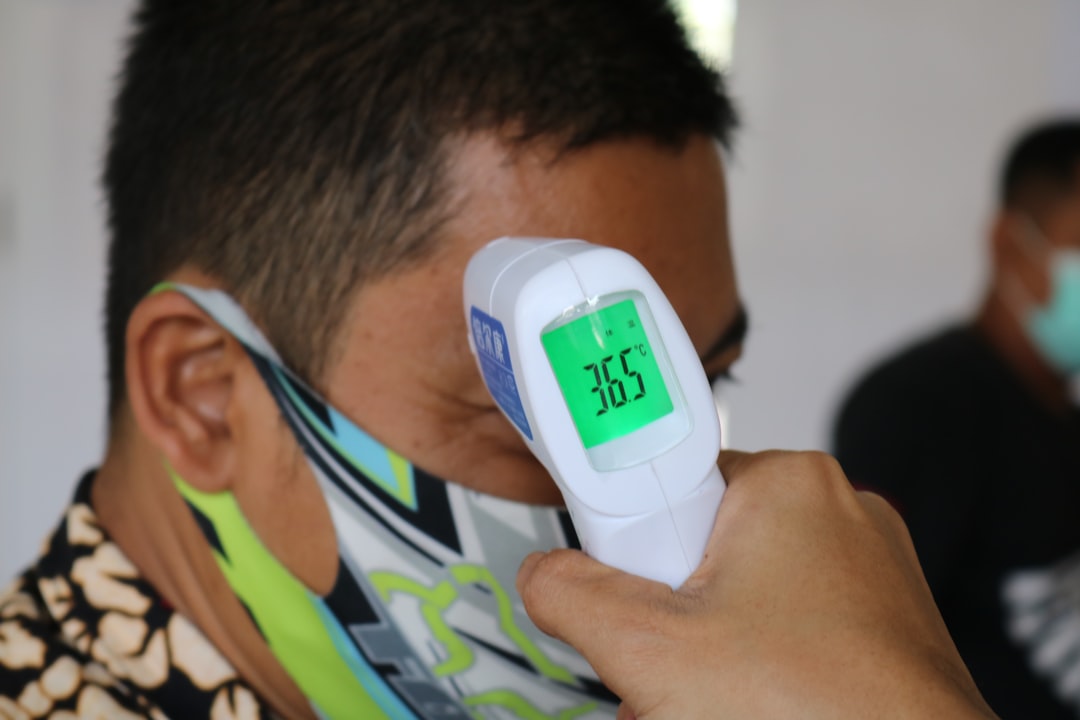
Recent reports indicate a sharp increase in the number of respiratory tests conducted on children. Hospitals and clinics have noted that parents are bringing their children in for evaluations more frequently due to symptoms like coughing, wheezing, and shortness of breath. The spike in respiratory issues is attributed to the high levels of particulate matter and pollutants present in the air.
According to health experts, children are particularly vulnerable because their lungs are still developing. Exposure to polluted air can lead to long-term health consequences. The increase in respiratory tests is a direct response to parents’ concerns about their children’s health in the face of worsening air quality.
Insurance Claims: A Surge in Health-Related Requests
With the rise in respiratory health issues, insurance claims related to these conditions have also surged. Families are increasingly filing claims for medical expenses incurred due to respiratory tests and treatments. This trend places additional pressure on health insurance providers to respond effectively.
Insurance companies are now faced with a growing number of claims related to respiratory illnesses among children. Many insurers are adjusting their policies to accommodate the rising demand for coverage related to environmental health issues. This includes expanding the scope of coverage for respiratory ailments and streamlining the claims process to ensure timely reimbursements for families.
In response to the increasing claims, some insurance providers are also emphasizing preventive measures. They are encouraging policyholders to engage in regular health check-ups and to monitor air quality levels, which can help in early detection and management of respiratory issues.
Policy Implications and the Role of Regulators
The Insurance Regulatory and Development Authority of India (IRDAI) plays a significant role in overseeing the insurance sector’s response to health issues exacerbated by environmental factors. The IRDAI has been monitoring the situation closely and may implement new guidelines to ensure that insurance companies are adequately prepared to handle the surge in claims.
Regulatory measures could include mandating insurance providers to offer comprehensive coverage for respiratory illnesses linked to air pollution. Additionally, the IRDAI might encourage insurers to collaborate with healthcare providers to develop programs aimed at educating families about the risks associated with air pollution and the importance of health insurance.
As the situation evolves, it is essential for both insurers and regulators to adapt to the changing landscape of health risks posed by environmental factors. This includes not only addressing immediate claims but also considering long-term strategies for health management and insurance coverage.

Checklist for Families: Steps to Take Amid Rising Smog
Families can take proactive steps to protect their children’s health in light of increasing smog levels. Here are some practical measures:
- Monitor air quality regularly using local air quality indices.
- Limit outdoor activities on days with high pollution levels.
- Ensure children wear masks when going outside during smog episodes.
- Consult healthcare providers if children show symptoms of respiratory distress.
- Review health insurance policies to understand coverage for respiratory issues.
- Keep a record of all medical visits and treatments related to respiratory health.
By taking these steps, families can better manage their children’s health and navigate the complexities of insurance claims related to respiratory conditions.

In conclusion, the intersection of environmental issues like smog and health concerns is increasingly relevant in India. As respiratory problems among children rise, so too do the associated insurance claims. Awareness and proactive measures can help families safeguard their health while navigating the insurance landscape.
This is general information, not advice.