

Sources: www.bing.com, news.google.com
The rise of electric vehicles (EVs) in India has not only transformed the automotive landscape but has also significantly impacted the insurance sector. As more consumers opt for EVs, understanding the nuances of electric vehicle insurance is crucial. This article focuses on the insights provided by CNBC TV18 regarding rising repair costs, changes in coverage, and the implications for policyholders.
With the increasing adoption of electric vehicles, insurers are facing unique challenges. The costs associated with repairing EVs are notably higher than those for traditional vehicles. This is largely due to the specialized components and technology involved in electric vehicles, such as battery systems and electric drivetrains. CNBC TV18 highlights that these rising repair costs are prompting insurers to rethink their coverage models and pricing strategies.
Impact of Rising Repair Costs on Policyholders
For EV owners, the implications of rising repair costs can be significant. Higher repair costs can lead to increased premiums, which may affect the affordability of insurance for many consumers. Additionally, policyholders might find that their coverage options are changing as insurers adapt to the new market dynamics.
For instance, if an EV is involved in an accident, the cost of parts and labor for repairs can be substantially higher than for conventional vehicles. This can lead to longer wait times for repairs and potentially higher out-of-pocket expenses for policyholders, especially if their insurance policy has high deductibles or limited coverage for certain parts.
Moreover, the unique nature of EVs means that not all repair shops may be equipped to handle repairs. This can limit the choices available to consumers when seeking repairs, further complicating the process. As highlighted by CNBC TV18, these factors underscore the importance of understanding the specifics of one’s insurance policy and the coverage it provides.
IRDAI Rules on EV Insurance Coverage
The Insurance Regulatory and Development Authority of India (IRDAI) has been closely monitoring the evolving landscape of electric vehicle insurance. As the market grows, the IRDAI aims to ensure that consumers are adequately protected and that insurers maintain fair practices.
One of the key aspects that the IRDAI emphasizes is the need for transparency in policy terms and conditions. Insurers are required to clearly outline coverage details, including what is included in the policy and any exclusions. This helps consumers make informed decisions when purchasing insurance for their EVs.
Additionally, the IRDAI has encouraged insurers to offer comprehensive coverage options that cater specifically to the needs of EV owners. This includes coverage for battery damage, which is a significant concern for many EV owners due to the high cost of battery replacement.
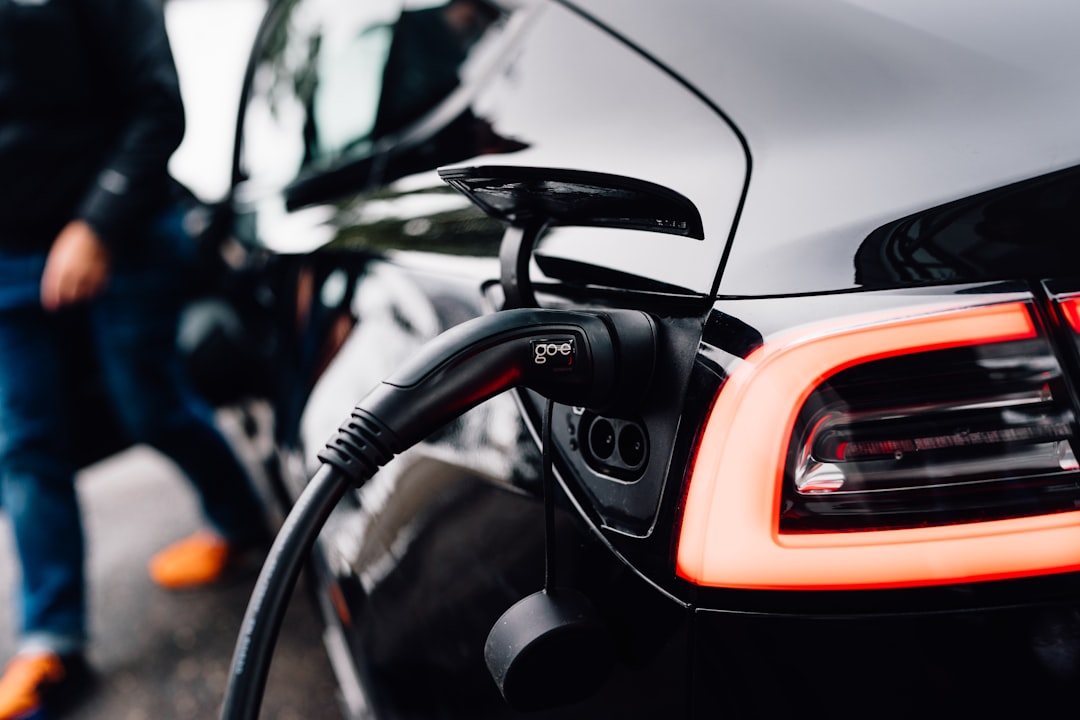
Furthermore, the IRDAI is working on guidelines that may address the unique aspects of EV insurance, such as roadside assistance tailored for electric vehicles. This can include services like mobile charging units and towing services equipped to handle EVs. Such initiatives aim to enhance the overall insurance experience for EV owners.
Steps and Pitfalls for EV Owners
As consumers navigate the complexities of electric vehicle insurance, there are several steps they can take to ensure they are adequately covered. Here’s a checklist for EV owners:
- Understand Your Coverage: Review your policy to understand what is covered, especially regarding battery damage and repair costs.
- Compare Policies: Shop around and compare different insurers to find the best coverage options and premiums.
- Check Repair Shop Compatibility: Ensure that your insurance policy allows you to use authorized repair shops that are equipped to handle EV repairs.
- Consider Add-Ons: Look into additional coverage options, such as roadside assistance specifically for EVs, which may include mobile charging services.
- Stay Informed: Keep up with changes in insurance regulations and market trends to make informed decisions about your policy.
By taking these steps, EV owners can better navigate the insurance landscape and mitigate potential pitfalls associated with rising repair costs.
Future Outlook for EV Insurance in India
The future of electric vehicle insurance in India looks promising, but it also presents challenges. As the market for EVs continues to grow, insurers will need to adapt to the changing landscape. This includes not only addressing rising repair costs but also developing innovative coverage options that meet the needs of consumers.
As highlighted by CNBC TV18, the demand for comprehensive insurance solutions is likely to increase. Insurers may need to invest in technology and training to better equip repair shops for EV maintenance and repair. This could lead to improved service quality and reduced repair times for consumers.

Furthermore, as more consumers become aware of the unique aspects of EV insurance, there may be a push for more competitive pricing and better coverage options. Insurers that can effectively address these consumer needs will likely gain a competitive edge in the market.
In conclusion, the insights from CNBC TV18 shed light on the evolving landscape of electric vehicle insurance in India. As repair costs rise and coverage options change, it is essential for consumers to stay informed and proactive in managing their insurance needs. By understanding their policies and the market dynamics, EV owners can ensure they are adequately protected.
Disclaimer: This article is for informational purposes only and does not constitute insurance advice. Coverage, terms, and conditions vary by insurer and policy.