


Sources: www.bing.com, news.google.com
The growth of electric vehicles (EVs) in India is not just a trend; it is reshaping the motor insurance market in significant ways. As more consumers opt for EVs, insurance companies are adapting their policies and pricing structures. This shift is crucial for both consumers and insurers alike, as it presents new opportunities and challenges in the realm of motor insurance.
Understanding how EV growth influences motor insurance is essential for policyholders, insurers, and regulators. The implications extend beyond just policy adjustments; they touch upon safety, environmental impact, and technological advancements.
Context and Implications of EV Growth on Motor Insurance
The rise of EVs in India is driven by government initiatives aimed at reducing pollution and promoting sustainable transportation. As of 2025, the Indian government has set ambitious targets for EV adoption, which has led to increased consumer interest and investment in this sector. This transition is prompting insurers to rethink their approach to motor insurance.
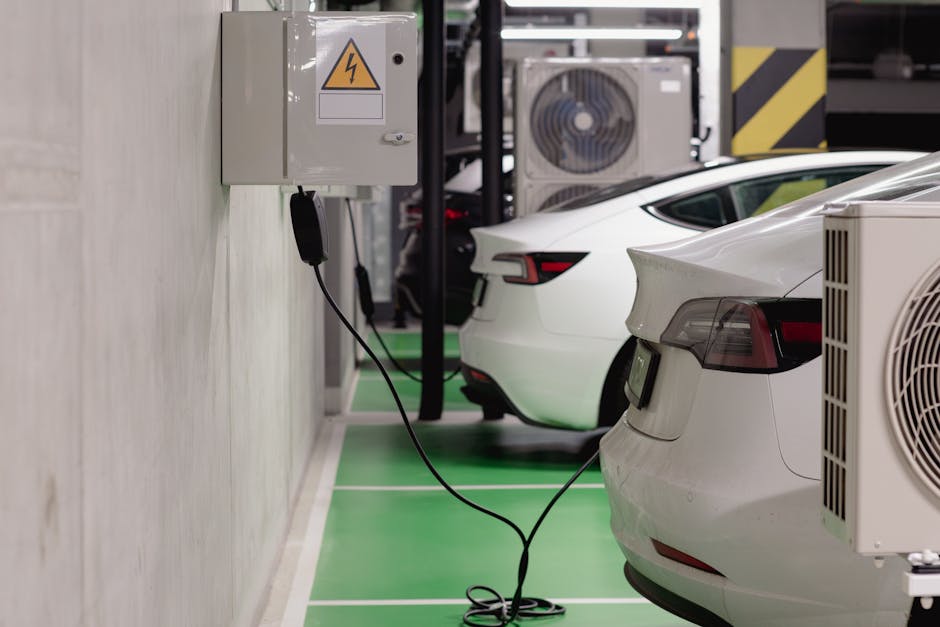
Insurance companies are now faced with the need to reassess risk factors associated with EVs. Unlike traditional vehicles, EVs come with unique features such as battery life, charging infrastructure, and advanced technology that can affect insurance premiums. For instance, the cost of repairing or replacing an EV battery can be significantly higher than conventional vehicle repairs, influencing the overall insurance cost.
Moreover, the growing popularity of EVs is leading to changes in consumer behavior. Policyholders are increasingly seeking insurance products that cater specifically to EVs, including coverage for charging equipment and battery replacement. Insurers must adapt to these new demands to stay competitive in the evolving market.
IRDAI’s Role in Regulating EV Insurance Policies
The Insurance Regulatory and Development Authority of India (IRDAI) plays a pivotal role in shaping the motor insurance landscape as EVs become more prevalent. The IRDAI has introduced guidelines to ensure that insurance products are aligned with the unique aspects of EVs. These guidelines aim to protect consumers while also promoting a fair and competitive market.
Key regulations include:
- Mandatory Coverage: The IRDAI mandates that all EVs must have third-party liability insurance, similar to conventional vehicles. This ensures that all EV owners are protected against damages caused to third parties.
- Premium Adjustments: Insurers are encouraged to offer tailored premium rates for EVs, taking into account the lower risk of accidents and damages due to advanced safety features in many electric models.
- Incentives for EV Owners: The IRDAI supports initiatives that provide discounts or incentives for policyholders who own electric vehicles, promoting the adoption of eco-friendly transport.
- Transparency in Policy Terms: Insurers are required to clearly outline the terms and conditions of EV insurance policies, including coverage limits for battery replacement and charging equipment.
Steps and Pitfalls for Consumers in EV Insurance
As consumers navigate the new landscape of EV insurance, there are several steps they can take to ensure they are adequately covered:
- Research Different Policies: Consumers should compare various insurance providers to find policies that specifically cater to EVs.
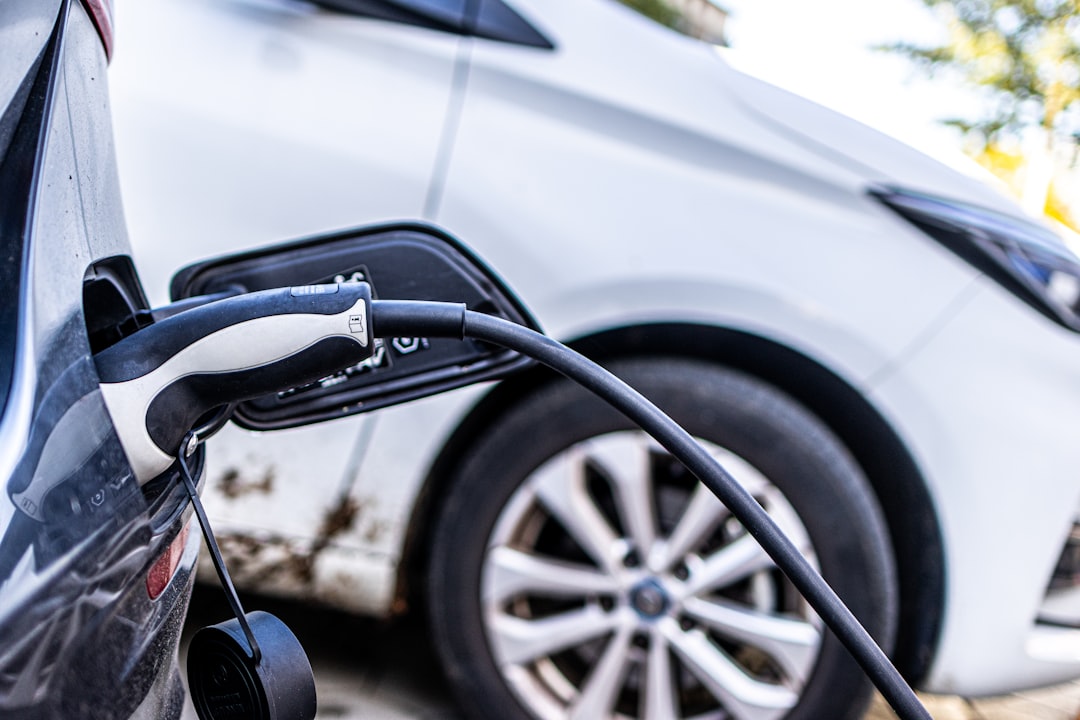
- Understand Coverage Options: It is essential to comprehend what is covered under an EV insurance policy, including battery replacement and charging station coverage.
- Check for Discounts: Look for insurers that offer discounts for EV owners, which can help reduce overall insurance costs.
- Stay Informed on Regulatory Changes: Keeping abreast of any updates from the IRDAI regarding EV insurance can help consumers make informed decisions.
- Consult with Experts: Engaging with insurance advisors who specialize in EVs can provide valuable insights into the best coverage options.
Future Outlook for Motor Insurance in the EV Era
The future of motor insurance in India is poised for transformation as EV adoption continues to rise. Insurers are likely to invest in technology to better assess risks associated with electric vehicles. This may include the use of telematics and data analytics to monitor driving behavior and vehicle performance.

Additionally, as the charging infrastructure expands, insurers may develop new products that cater specifically to the needs of EV owners. This could include coverage for home charging stations and roadside assistance for EV-related issues.
Overall, the integration of EVs into the motor insurance market presents both challenges and opportunities. Insurers that adapt to these changes will not only meet consumer demands but also contribute to a more sustainable future in transportation.
This is general information, not advice.