



Sources: www.bing.com, news.google.com
The recent approval for 100% Foreign Direct Investment (FDI) in the insurance sector has sparked significant protests among employees of the Life Insurance Corporation of India (LIC). This move, part of the new insurance amendment bill, is seen as a threat to job security and the quality of services provided by LIC, which has been a cornerstone of the Indian insurance landscape for decades.
Understanding the implications of this policy change is crucial for policyholders, employees, and stakeholders in the insurance sector. The protests reflect deep concerns about how this shift may alter the operational dynamics within LIC and the broader insurance market in India.
Context and Implications of 100% FDI in LIC
The Indian government has recently passed a bill allowing 100% FDI in the insurance sector, a significant change from previous regulations that limited foreign investment. This move aims to attract more foreign capital and expertise, which proponents argue will enhance service delivery and innovation in the sector.
However, for LIC employees, this change raises alarm bells. Many fear that increased foreign ownership could lead to job cuts, reduced employee benefits, and a shift in focus from customer service to profit maximization. LIC has historically been known for its commitment to policyholders, and employees worry that this commitment may wane under foreign management.
Moreover, the protests highlight a broader concern about the potential loss of control over a national asset. LIC is not just a financial institution; it plays a vital role in the socio-economic fabric of India, providing insurance to millions and contributing to the country’s financial stability.
Operational Impact on LIC and Policyholders
The operational impact of allowing 100% FDI in LIC could be profound. Employees have expressed concerns that foreign investors may prioritize short-term profits over long-term commitments to policyholders. This could lead to:
- Increased Premiums: To enhance profitability, foreign stakeholders might raise premiums, making insurance less affordable for the average consumer.
- Reduced Coverage: There may be a shift towards offering fewer comprehensive policies, focusing instead on high-margin products.
- Job Reductions: Cost-cutting measures could lead to layoffs, affecting the livelihoods of thousands of LIC employees.
- Service Quality Decline: A focus on profit over service may lead to a deterioration in customer service standards.
For policyholders, these changes could mean a significant shift in how their insurance needs are met. The fear is that service quality, which has been a hallmark of LIC, may decline as the company adapts to the demands of foreign investors.
Steps and Pitfalls for LIC Employees
As the protests continue, LIC employees are taking several steps to voice their concerns and protect their interests. Here are some key actions and potential pitfalls:
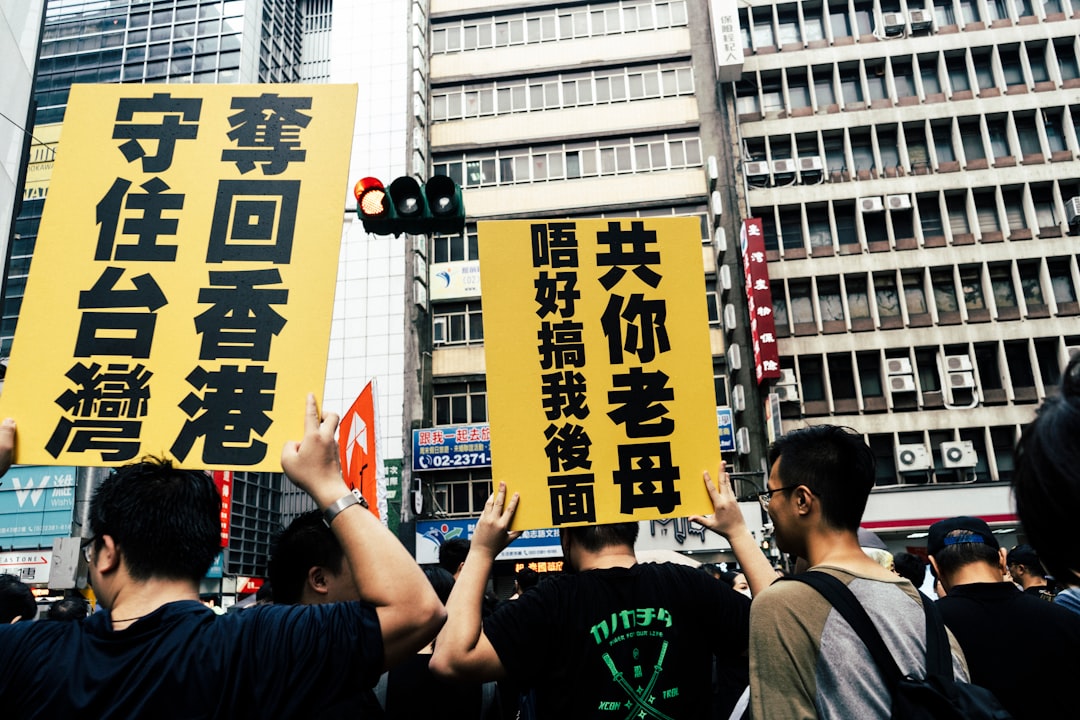
- Organizing Protests: Employees are rallying together to organize protests, raising awareness about their concerns regarding job security and service quality.
- Engaging with Management: Employees are seeking dialogue with LIC management to express their concerns and propose measures to safeguard jobs and service standards.
- Building Alliances: Collaborating with labor unions and other stakeholders to amplify their voices and push for policies that protect employee rights.
- Monitoring Legislative Changes: Staying informed about any further legislative changes that could impact their jobs and the insurance sector.
However, employees must also be cautious of potential pitfalls, such as:
- Divisions Among Staff: Not all employees may share the same views on the protests, which could lead to divisions within the workforce.
- Backlash from Management: Protests may provoke a negative response from management, potentially leading to disciplinary actions against employees.
- Public Perception: The public’s perception of the protests could influence the effectiveness of their efforts, particularly if the protests are viewed negatively.
Future Outlook for LIC and Its Employees
The future of LIC amidst the backdrop of 100% FDI remains uncertain. While the government promotes this change as a pathway to modernization and growth, employees and policyholders are left grappling with the potential consequences.
As protests continue, it is essential for LIC to engage constructively with its employees and address their concerns. The company must find a balance between attracting foreign investment and maintaining its commitment to its workforce and policyholders.

Ultimately, the outcome of this situation will depend on how effectively LIC can navigate these changes while preserving its core values and mission. The ongoing dialogue between employees, management, and policymakers will be critical in shaping the future of LIC and its role in the Indian insurance sector.
This is general information, not advice.